Rescue plan is a vital safety guide for every user of a building. Still, how many people actually read it thoroughly? The purpose of the plan is to ensure everyone knows how to act in emergencies and support safety in everyday life. For an individual reader, the most important thing is to quickly find the key information and understand how it applies to both daily routines and exceptional situations. In this blog, we share tips on what to focus on in the rescue plan. We also explain how to make sure you’re prepared to act when needed.
Know the escape routes and assembly points
One of the most essential parts of the rescue plan is guidance on how to exit the building safely. It also explains where to gather afterward. Every user of the building should know the primary exit routes from different areas. They should also know the designated assembly point for evacuations. When everyone goes to the correct assembly spot, it’s easier to see if anyone is missing. It’s also easier to alert rescue services if needed.
Make sure you know the nearest escape routes. Also learn at least one alternative path in case the primary one is blocked. Mentally rehearse how you would exit the building in different scenarios. This helps you remain calm in a real emergency.
Learn the locations and use of safety equipment
The rescue plan also shows where key safety equipment is located and how to use it. Take a moment to learn where fire extinguishers, fire blankets, manual fire alarm buttons and other safety tools are located.
It’s equally important to understand when and how to use this equipment. For example, knowing how to use a fire extinguisher or fire blanket in the early stages of a fire can be crucial. Manually activating the fire alarm can also speed up the arrival of emergency services.

Understand risk assessments and emergency procedures
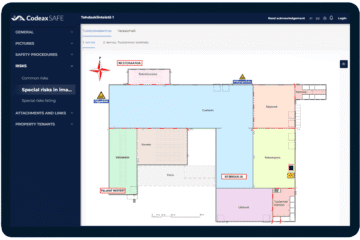
The rescue plan includes a risk assessment that identifies potential hazards in the property and how they are managed. It’s useful to know which risks are specific to your environment and how they can be prevented.
Also, pay attention to the emergency procedures listed in the plan. These may include actions to take in case of fire, chemical spills, power outages, or other dangerous situations – depending on the type of site. Read these instructions in advance and refresh your memory regularly. Knowing what to do ahead of time allows you to act efficiently and calmly in stressful moments.
For instance, in the event of a fire, it’s vital to know how to contact emergency services and how to perform first response firefighting. It is also important to know when it is necessary to evacuate immediately. Clear procedures help ensure quick and correct decisions. In the best case, they save lives.
Take part in safety drills and speak up about issues
Participating in safety drills helps you act correctly in a real emergency. Many workplaces and properties organize regular evacuation drills and safety trainings. Don’t skip them! These exercises help you learn the escape routes, how to use safety equipment, and how to follow emergency procedures.
If you notice shortcomings in the rescue plan, report them to the responsible person. This includes outdated information, unclear instructions, or incorrect markings on floor plans. Safety is a continuously evolving effort, and everyone plays a part in improving it.
Safety begins with awareness
The rescue plan is an essential resource for every user of a building. At a critical moment, it can save lives. It helps you understand safe practices, escape routes, and key safety arrangements that ensure smooth operations both in everyday life and emergencies.
Study the plan carefully so you know how to act in unusual situations and how safety is managed in that particular property. When everyone in the building is familiar with the safety arrangements, actions become safer and more efficient. This creates a shared foundation for all circumstances.
Don’t know where to find the rescue plan?
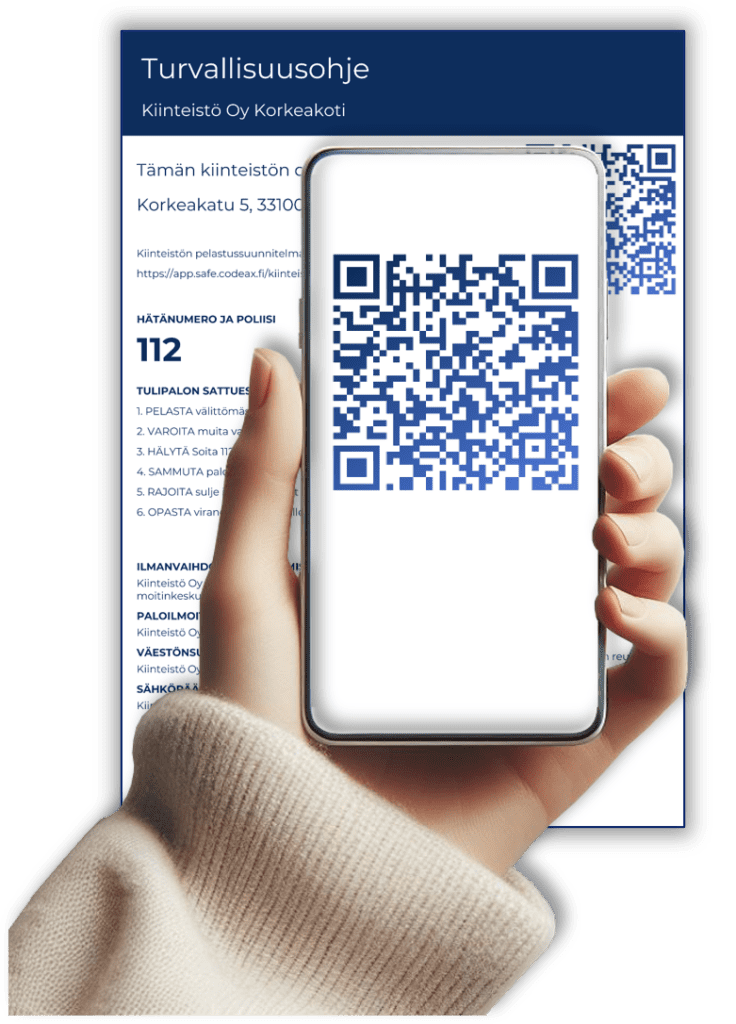
The rescue plan may be available in printed form or digitally via a link, for example on a noticeboard in shared areas or on your workplace intranet. It’s typically maintained by the property manager, safety officer, or the building owner. Don’t hesitate to ask them or another responsible party if you’re unsure.
If the plan is missing or clearly outdated, it’s worth raising the issue. It benefits everyone’s safety.