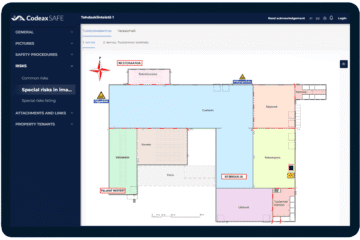
Rescue plan is a core part of any property’s safety strategy. It is a proactive document that outlines actions to prevent accidents and respond effectively to emergencies – whether it’s a fire, injury, or any other hazardous situation. A well-prepared rescue plan not only protects lives and property but also provides peace of mind for those responsible for safety. In this blog, we’ll go through the key benefits of a rescue plan and explain why it is an essential component of risk management.

Improved safety and damage prevention
The primary goal of a rescue plan is to enhance safety and prevent damage during emergencies. When everyone knows how to respond – for example, in case of a fire – the situation can be managed more efficiently. Preparedness significantly reduces the risk of casualties and limits property damage.
This is especially crucial in large buildings where many people are present. In such environments, clearly defined emergency procedures are vital. A good rescue plan provides comprehensive instructions for different crisis situations and ensures that all stakeholders – residents, employees, customers, and visitors – know what to do in an emergency. Prompt and organized action can be life-saving when every second counts.
Compliance with legislation
In Finland, maintaining a rescue plan is a legal requirement for most buildings, with the exception of single-family homes and cottages. For example, residential buildings with three or more apartments and workplaces with over 50 people are required to have a plan. At a minimum, the plan must comply with the Rescue Act’s requirements for self-preparedness and fire prevention.
However, the rescue plan can also serve as a broader operational guide for safe building use. It’s important to remember that the plan is intended first and foremost for the users of the building – not just to meet legal obligations.
Read more (in Finnish):
Clear roles and increased readiness
Clearly defined roles, responsibilities, and procedures are critical in any rescue plan. When everyone knows their role, the level of preparedness increases significantly, and valuable time is saved during a crisis. The plan should also specify who is responsible for maintaining safety systems and equipment – such as fire alarms, extinguishers, first aid kits, and exit signage. These tools must be functional to work effectively in an emergency.
Clear division of responsibilities enables organized and efficient response. Without guidance, confusion can arise and lead to panic. Practiced procedures and designated roles reduce chaos. Those responsible for maintaining safety systems play a particularly important role by ensuring that evacuation routes and equipment function as intended.
Ensuring personal safety
In residential buildings, occupant safety relies heavily on awareness of correct procedures in an emergency. When residents are familiar with the rescue plan and its contents, swift evacuation can prevent serious harm and save lives.
Rescue plans not only protect employees but also customers and other visitors. Where large numbers of people gather daily – such as shopping centers, hotels, or event venues – it is essential to plan evacuations to ensure they can be performed swiftly and safely. Employees play a key role by guiding others during emergencies to ensure an orderly evacuation.
For businesses, protecting people is also essential to business continuity. Accidents in unprepared environments can cause reputational damage and financial losses. This is why a comprehensive rescue plan is a crucial part of any organization’s operations.

The importance of drills and regular updates
Rescue plan must be regularly updated and practiced. Regular drills and training ensure that the plan is understood and realistic. They increase people’s sense of safety and prepare them to respond calmly and effectively under pressure. Practicing emergency procedures not only improves safety but also enhances readiness for unexpected situations. Drills can also help identify gaps in the plan before a real emergency occurs.
Changes to the building, staff, or layout may affect safety arrangements, so the plan should be reviewed and updated whenever significant changes happen.
Rescue plan only protects when people know it
Rescue plan is a vital tool for protecting people and property in crisis situations. However, its true value only emerges when it is effectively communicated to its intended audience, and everyone is familiar with its contents.
The usefulness of rescue plan goes beyond simply having one – it must be practical, easily accessible, and actively used. In a real emergency, only a well-known and practiced plan will help you act quickly and effectively – reducing harm and saving lives.